

Sustainable Gardening: How to Deal With Garden Waste
Are you generating a lot of garden waste? Having to pay to get rid of it? Sustainable gardening means reducing and reusing garden “waste”.
Whether it is leaves, dead plant material, branches or plastic bags from amendments and soil, gardening generates a lot of “waste”. Especially in fall when you are cleaning up and preparing for winter and in spring when you are cleaning up from a stormy winter.
But it doesn’t have to be considered waste and leave your property if you find other uses for it in the garden.
So if you desire to be a more sustainable gardener, read on for some tips on how to reuse and recycle what could be considered waste.
Leaves

Every fall I see homeowners haul all of their leaves to the curb for pickup or stuff them into bags and bring them away. Even more amazing is that they then go out and buy expensive mulch and amendments.
Leaves are a great carbon source and mulch for all of your plants and planting beds. The simplest way to deal with leaves is to leave them where they are or rake them off the lawn onto flower beds and vegetable beds.
As I live in a very wet climate (fall, winter and early spring), the leaves I leave on the ground become wet and slimy. This poses a safety issue when walking around the garden as these leaves are very slippery underfoot! Plus we then get issues with the plants in our beds getting too wet and having rot and disease issues and attracting slugs and snails.
So instead of leaving them, I rake them up and put them into one of my unused compost bins. In just a few short days they compact down a bit and I can keep adding more until the bin is full. If my bin overflows I then make a temporary bin from some chicken wire or hardware cloth secured with stakes.
In the spring and early summer, the leaves have broken down a bit into a rich leaf mulch or mould as it is sometimes called. These then go directly on my vegetable beds and help reduce weed germination and keep the soil cooler and damper during the dry part of the summer. In the spring I then dig the remaining leaves under as an amendment.
Plant material and spoiled fruit

If you are not already composting, you really should start. It is not as difficult as you may think and it has such lasting benefits in your garden, it is worth the little bit of effort it takes to have a successful compost pile.
By composting all of your plant material and spoiled fruit, you are generating what is called “black gold”. Compost is rich in nutrients, beneficial organisms and can change the texture of your soil.
It is easy to collect your kitchen scraps (no meat, dairy or bread or anything cooked if you don’t want to attract rodents) in a bucket and then empty it. Occasionally you may want to give the compost a stir and turn. A good quality and highly rated tool for this is the Lotech Products Compost Crank Twist Compost Aerator
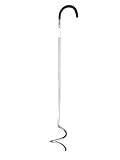
Otherwise the only real effort will be to turn your compost and sift it to use it in your garden.
Weed seeds and invasive plants

These usually should not be composted, unless your compost can get hot enough to kill these seeds and plants. The last thing you want when you use your compost is an infestation of weeds!
However you can solarize these in black plastic bags or under a black tarp. Let the sun does it’s work of raising the temperature in the bags high enough to kill the weed seeds and render the invasive plant material incapable of regrowing. Then the contents can be put on the compost to further decompose.
If you have a municipal green waste bin, you can use that for weed seeds and invasives, although check to ensure that is allowed. Municipal/commercial composting facilities use hot composting. They deal with tons of compostable material and the interior of their piles gets extremely hot! And they regularly turn their compost piles with large frontend loaders to get all of the material into the centre of the pile to cook.
Branches

If you have fruit trees or ornamental trees you will generate some branches that either break off in high winds or that you prune off.
You can of course bring these branches to your municipal drop-off location or leave them on the curb for pickup.
However to keep them on your property, you have a couple of options.
You can shred or chip them using a portable chipper. There are both gas-powered and electric powered models. I have an electric-powered model that I am quite happy with and it does the job with no stinky exhaust so it is more sustainable.
Check out the various models on Amazon: Electric Wood Chippers
I use the resulting mulch on my flower beds, vegetable beds and around my fruit trees.
Or you can allow them to dry thoroughly and use them in your wood stove, fireplace or pizza oven. The small twigs are great for starting the fire and the large ones can get it going hot enough to add on the large logs.
Plastic bags

Ideally you wouldn’t need to bring in soil, mulch or amendments from outside. You could generate enough soil through composting and plant green manures and cover crops.
But especially when you are first starting out with growing the garden, you need to provide some external inputs. These soils and amendments usually come in plastic bags although you can also get bulk deliveries if you need a lot.
Unfortunately this